Geiger Counters are widely available these days during normal times, and extremely hard to find during emergencies. For those who are shopping for Geiger Counters there has never been a better time to buy one than today, but it is a good idea to ask yourself some questions before you buy.
- Do you want to detect Alpha, Beta AND Gamma radiation, or is only Gamma or only energetic Beta and Gamma sufficient for your needs?
- Is price your bottom line or do you also want support and a good warranty if you need it?
- Would you like to record data or just measure radiation?
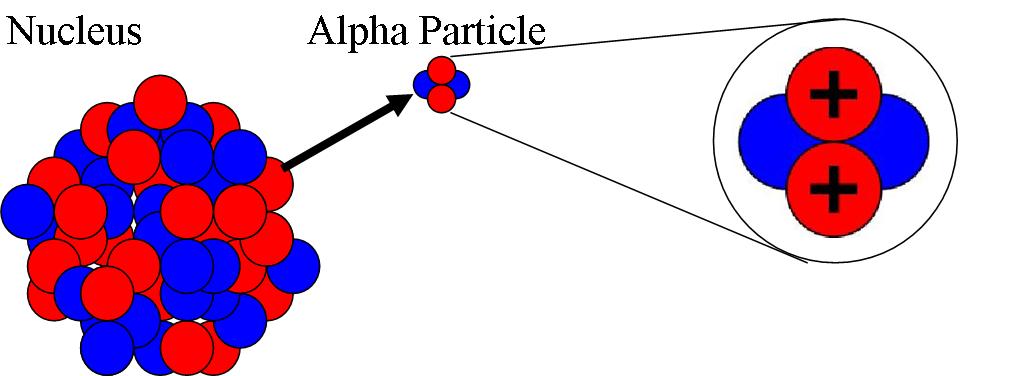
If you want to detect alpha radiation with a Geiger Counter then you need one that has a low density mica window. If you want to detect low energy beta radiation you also need a mica window, but a little higher density is okay. Thin wall metal Geiger Tubes without a mica window and some thin wall glass GM tubes will detect some energetic beta radiation..
Other considerations when buying a Geiger counter:
- Do you want your Geiger counter to measure extremely high levels of radiation or is high sensitivity more important? With a few expensive exceptions most Geiger Counters will do either, but not both. The old Civil Defense meters designed for nuclear war are not a good choice for detecting radiation on food, granite counter tops, radium dial clocks or ceramic ware in your home. On the other hand an instrument that has high sensitivity will usually reach a maximum reading with an indicator when exposed to extremely high radiation levels so you know something serious is going on. If you want a sensitive instrument make sure you get one with “jam protection” so at high levels the device will let you know instead of “jamming” and showing no radiation at all, or under reporting the dangerous level.
- Do you want a new or used Geiger Counter? Top quality brands tend to be expensive, but sometimes you can find a good working used or reconditioned one at a very reasonable price . Some of the top brands are Ludlum, Mirion, Fluke, and Thermo. I also consider our 36 year old company, International Medcom, to be a top brand but I need to disclose that I have some bias.
- If you are buying a Geiger counter on Amazon or Ebay check to see if the instrument has a manual in the language you speak. Most of the inexpensive models are made in Russia and China and some do not have English manuals, or well translated manuals.
- Make sure your Geiger counter has a warranty and support. Medcom Geiger Counters all come with a two year warranty (limited to one year on the GM tube), and a published phone number and a website contact form for email support.
- If buying a Geiger counter on Amazon keep in mind that fake reviews by some disreputable manufacturers are widely prevalent. Some studies have concluded that 50 percent or more of Amazon reviews are fake. Amazon is not good at policing abuse.
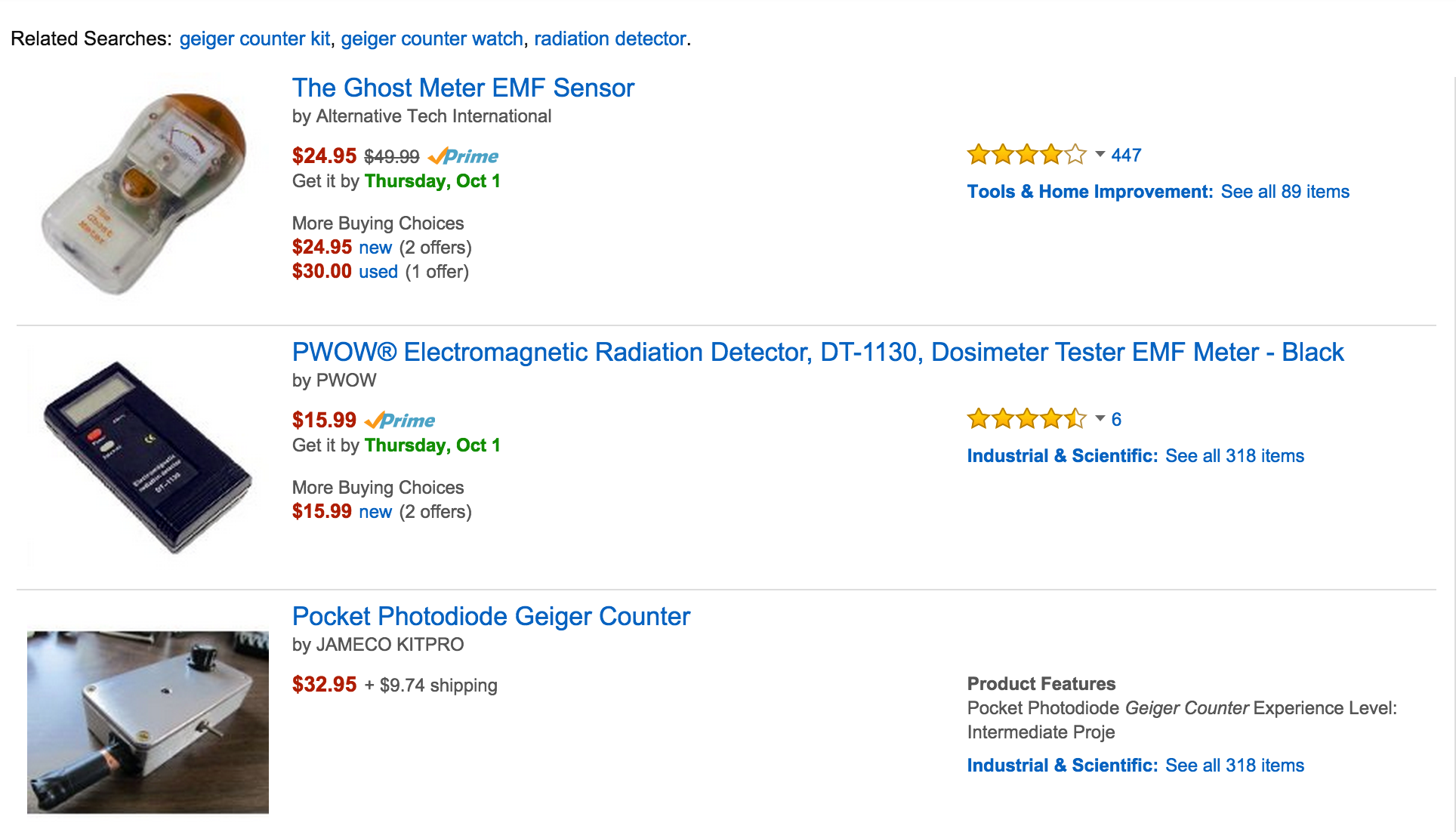
- Beware of Geiger Counter Review Websites. Most of these seem to have a (sometimes undisclosed) financial interest in the sale of listed products. Many of the sites obviously do not know what a Geiger Counter is, so how can you trust the reviews. If you see an electric field meter on a Geiger Counter review website then donʻt think the reviewers know what they are talking about, let alone what a Geiger Counter is and what a Geiger C9unter does.
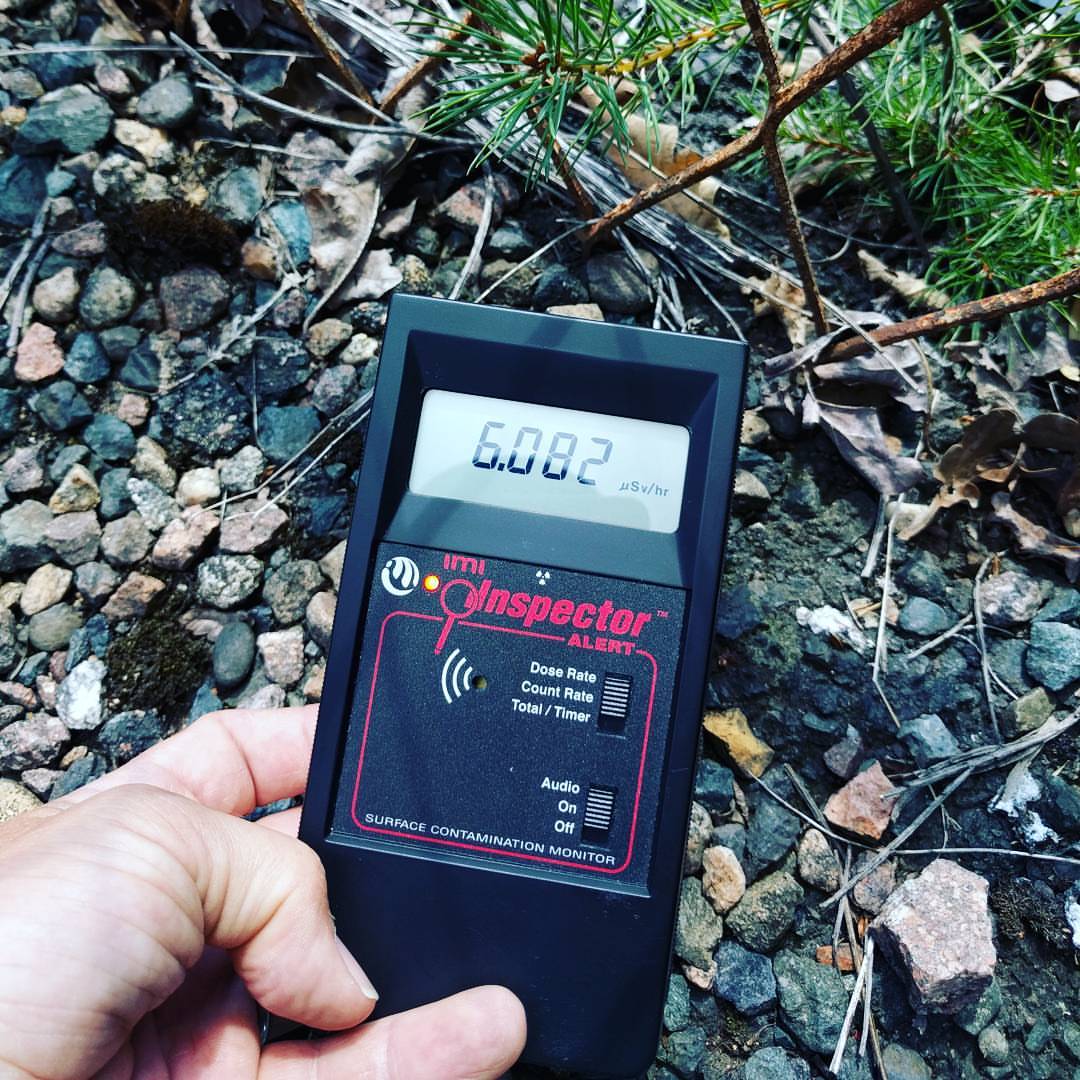
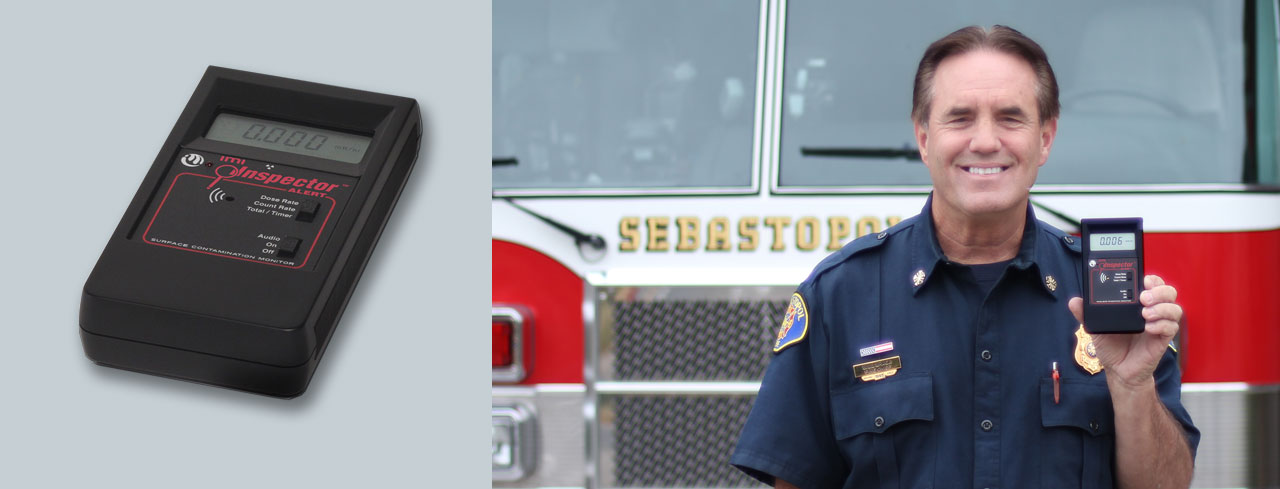
- If you want a Geiger Counter donʻt wait for an emergency to buy one. When the Fukushima Daiichi nuclear emergency occurred Geiger Counters worldwide were mostly sold out within 24 hours. Even the price of used Geiger Counters skyrocketed. Someone sold a used Inspector Alert on an auction site for $9,000 during that period.
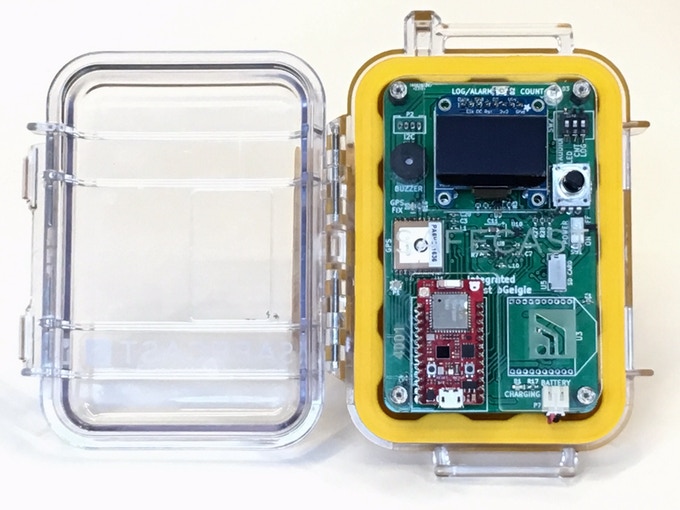
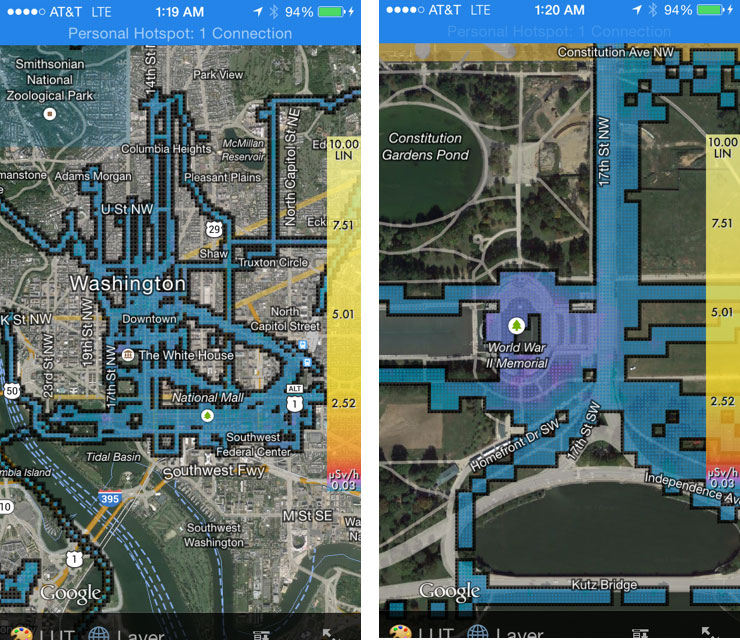
When I was a young boy, back in the fifties, a friend of my fathers took us out on a hike with a Geiger Counter and after that I was hooked and I wanted one of my own for many years. When I priced them in the mid seventies a professional instrument cost about $600.00. With inflation – looking at todayʻs dollar – the same instrument would cost several thousand dollars today, and it did not even detect alpha and beta radiation. It was an analog device with relatively short battery life. Today’s digital instruments provide a level of precision and stability that was not achievable back then. There are even models that can link to phone apps by bluetooth that allow mapping and storage and sharing of collected data – such as the Inspector Alert BLE. These are some of the reasons I say there has never been a better time to buy a Geiger Counter.
One final piece of Geiger Counter advice: Use quality batteries that don’t leak in your Geiger Counter, so that when you need it you will not find corrosion on the terminals that damage your instrument. You can also take out the batteries when in long term storage to prevent this. Medcom Geiger Counters run on one AA battery for 3 to 6 months of 24/7 operation. We deliver instruments with an Energizer Industrial AA battery that has a shelf life and no leak guarantee of 10 years. No matter what brand of instrument you buy I can heartily endorse the Energizer Industrial batteries. I hope this article is helpful if you are thinking of buying a Geiger Counter.